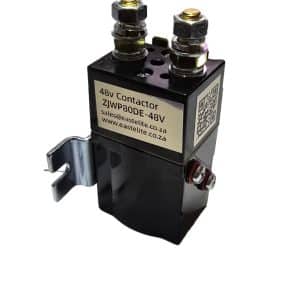
Why Choose Our Contactor Solenoids
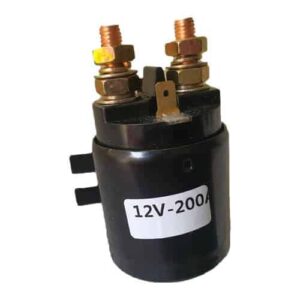
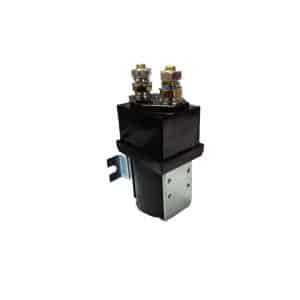
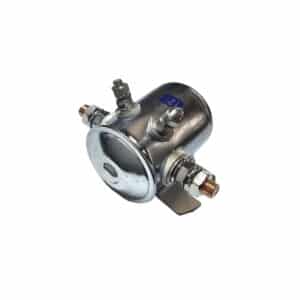
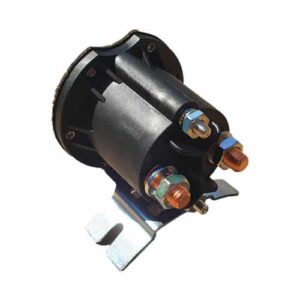
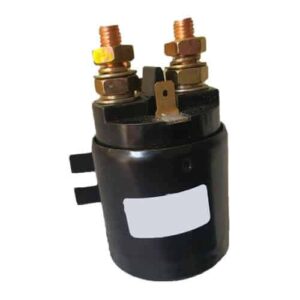
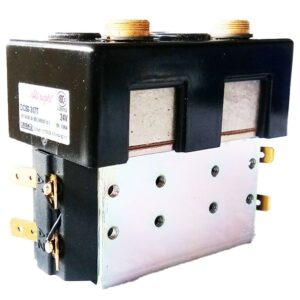
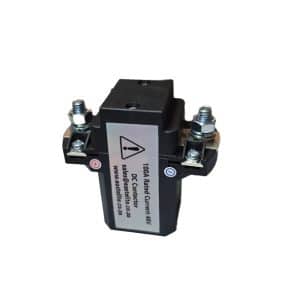
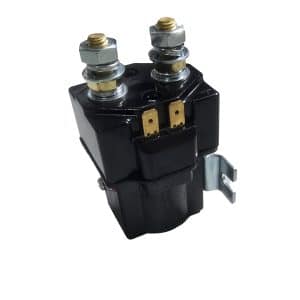
We offer a complete range of contactor solenoids and motor solenoids tailored for various industrial, commercial, and automotive applications. From rugged reversing contactors to compact single-acting solenoids, our products are built for performance and longevity.
Broad product range for every need
Whether you’re upgrading a forklift, building a custom EV circuit, or replacing a worn-out relay, we have the right component. Our inventory includes DC contactors, automotive solenoids, industrial solenoids, and more, covering voltage ratings from 12V to 48V and beyond.
Expert guidance, local support, and system compatibility
Our team is on hand to help you select the right product based on load type, operating conditions, and compatibility with your existing electrical setup. Our solenoids work with most forklift systems, industrial control panels, and electric motor circuits.
Transparent pricing, fast delivery, and full technical backup
We believe in making it easy to get the components you need. All our motor solenoids come with clear pricing, no hidden fees, and fast lead times. Plus, we offer technical support to assist with installation and troubleshooting, ensuring your equipment runs smoothly from day one.
What Are Contactor Solenoids and Why They Matter
Contactor solenoids are electrically controlled switching devices used to manage the flow of current in circuits, particularly where high-voltage or high-current loads are involved. These components play a critical role in controlling electric motors, battery systems, and other power-hungry devices by safely opening and closing circuits without the need for manual intervention.
Motor solenoids are a specific type of contactor designed to serve as the key link between a power source and an electric motor. When activated, they engage or disengage the motor’s circuit, making them essential for controlled operation and protecting equipment from electrical overload or short circuits. These components are widely used in equipment where frequent starting, stopping, or reversing of motors is required.
Contactor solenoids are commonly found in forklifts, electric vehicles (EVs), heavy-duty machinery, construction equipment, and a wide range of industrial automation systems. Their robust design allows them to handle large electrical loads with high efficiency and minimal wear over time.
Applications of Contactor Solenoids in Industry
In industrial environments, motor contactors, reversing contactors, and high-current contactors are crucial for managing power to large motors and systems. These solenoids ensure reliable operation in conveyor belts, production lines, and automated control systems where frequent switching is required.
Automotive solenoids are also vital components in vehicle electrical systems, particularly in starter circuits and winch setups, where they control heavy bursts of current needed to power motors. Their fast response and compact form make them ideal for mobile and rugged use cases.
For more precise electrical control, DC contactors and electrical contactors are preferred in battery-powered systems and low-voltage applications. They are trusted for their reliability, safety, and resistance to arc faults, especially in systems requiring continuous duty cycles and high endurance.
Key Differences Between Solenoids, Relays, and Contactors
While the terms solenoid, relay, and contactor are often used interchangeably, they serve distinct roles. A relay contactor is typically used for low-current, low-voltage applications, while a power solenoid is built for heavier loads and direct actuation of high-current circuits.
The main differences lie in their switching capacity, response speed, and electrical rating. Contactors are designed for high-current use, while relays are more suitable for signal-level switching. Solenoids, especially motor solenoids, use electromagnetic force to produce a mechanical movement, enabling the switching of electrical connections.
A single-acting solenoid, for example, is designed to move in one direction when energised and return to its original position by spring force or gravity. These are often used in compact hydraulic systems or space-constrained environments where precision and simplicity are key.
Choosing the Right Solenoid for Your Equipment
When selecting a contactor solenoid, several key factors must be considered. Start with the voltage rating, such as 12V, 24V, or 48V, depending on your system requirements. Next, assess the current capacity, ensuring the solenoid can safely handle the load without overheating or causing electrical faults. Also, consider the contact configuration—whether it’s normally open (NO) or normally closed (NC)—to match your control logic.
A heavy-duty contactor is recommended for large motors or continuous operation in demanding conditions. For more compact equipment such as warehouse vehicles, a forklift solenoid or mini motor solenoid may be more appropriate.
Ultimately, sourcing high-quality motor solenoids ensures your electrical systems operate safely and reliably. Premium components are built to withstand arc erosion, resist vibration, and provide long service life, even in high-cycle environments like industrial machinery and EV systems. Investing in the right solenoid means better protection for your equipment and fewer breakdowns over time.
Benefits of Using High-Performance Contactor Solenoids
Investing in high-performance contactor solenoids provides tangible benefits for electric, automotive, and industrial systems. These components ensure smooth electrical switching, improved equipment protection, and enhanced reliability in high-demand environments.
Increased operational safety and performance consistency
High-quality motor solenoids and DC contactors minimise the risk of electrical faults, arcing, or overheating. They ensure stable connections during operation, especially in high-current applications like electric forklifts and industrial motors. This translates into fewer disruptions and safer working environments.
Reduced electrical wear with reliable high current contactors and arc-resistant contacts
Premium high current contactors are designed with arc-suppression materials and durable contact points, significantly lowering the wear and tear that comes from frequent switching. This helps preserve the lifespan of connected motors and circuit components.
Longer service life of motors and battery systems thanks to durable motor contactors
By reducing contact bounce and ensuring firm electrical engagement, high-grade motor contactors protect sensitive equipment from voltage spikes and irregular current flow. This not only extends the life of motors but also improves the overall performance of battery-powered machinery.
Maintenance Tips for Solenoids and Contactors
Keeping your solenoids and contactors in good working condition is essential for reliability and safety. Regular inspections and preventive maintenance can help detect issues early and avoid equipment failure.
How to visually inspect a DC contactor for wear or pitting
Begin by disconnecting power and removing the cover. Check the contacts for any signs of pitting, burn marks, or uneven wear. Also, inspect the coil for discoloration or damage. If contact points are severely eroded, the DC contactor should be replaced to prevent failure.
Cleaning tips for automotive solenoids and industrial solenoids to prevent corrosion
Dust, moisture, and grime can degrade performance. Use a dry cloth or soft brush to clean housing surfaces. For terminals, apply a contact-safe cleaner and ensure no debris remains. Avoid using water or harsh chemicals on automotive solenoids or exposed industrial solenoids to prevent corrosion and conductivity loss.
When to replace a forklift solenoid or relay contactor before failure
Common signs include delayed engagement, inconsistent operation, or audible clicking without activation. If your forklift solenoid or relay contactor shows signs of sluggish performance or intermittent failure, replace it promptly to avoid costly system breakdowns.
FAQs About Contactor Solenoids
[accordions id=’12033′]